
Ancient Nessebar Through Streets and Sea Views
Ancient Nessebar is best explored slowly. Cross the narrow causeway from the mainland and the modern resort atmosphere gives way to stone lanes, wooden houses, church ruins, and views of the Black Sea. The historic peninsula is compact, but its layers of architecture and history reward visitors who pause to look closely.
Known as one of Bulgaria’s oldest towns, Nessebar grew through centuries of settlement and trade. Its historic quarter is recognized as a UNESCO World Heritage Site, reflecting the cultural importance of its buildings and urban landscape. For travelers exploring Black Sea Bulgaria, Ancient Nessebar offers a distinctive mix of heritage and coastal scenery.
Begin with the shape of the old town
The peninsula itself helps tell Nessebar’s story. Its position beside the sea supported maritime connections and trade, while the narrow land link created a natural entrance to the town. Walk the waterfront first and notice how the shoreline frames the old quarter. Then head into the lanes, where the streets become quieter and the architectural details easier to appreciate.
Traditional houses often combine stone lower floors with timber upper levels. This practical design also gives the old town its recognizable character. Small courtyards, wooden balconies, and changing rooflines make an unhurried walk feel like a series of discoveries.
Look beyond the postcard views
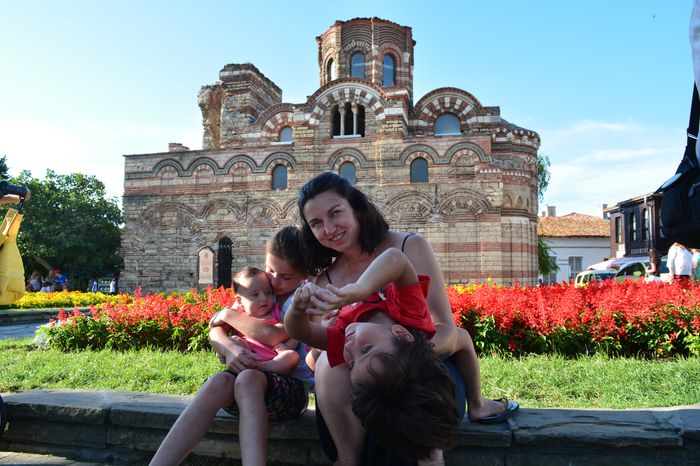
Nessebar’s churches are among its most meaningful landmarks. Many are no longer used for regular worship, but their surviving brickwork, stone patterns, arches, and decorative details show the changing styles of different eras. Some buildings are preserved as ruins, while others now serve as cultural spaces or museums.
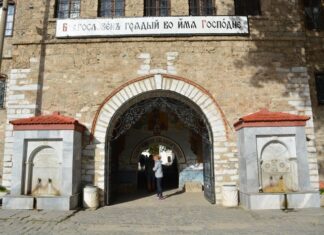
If you want to compare Bulgarian religious heritage with another landmark in the region, the Rila Monastery Tour offers a mountain setting and a very different architectural experience.
In Ancient Nessebar, take time to notice how old buildings sit beside homes, shops, and cafes that remain part of everyday life. The peninsula is not only an archaeological site; it is also a living town.
Choose a pace that fits the coast
Summer brings busy streets and lively waterfront dining, while quieter seasons can offer more space to explore. Go early if you prefer calm lanes and softer light. Comfortable shoes are useful on uneven paving, and it is sensible to check current opening hours before planning visits to museums or historic interiors.
For help arranging a guided walk or discussing travel plans, contact our team. A local guide can adapt the route to your interests, whether you want to focus on church architecture, local history, photography, or the seaside atmosphere.
Add another cultural stop
Travelers continuing through the region can explore Istanbul’s Hagia Sophia, a landmark whose long history reflects the city’s many cultural layers. For a different Bulgarian experience, a Melnik Wine Tour introduces visitors to the country’s wine traditions and southern landscapes.
Let Ancient Nessebar unfold
Ancient Nessebar does not need a packed schedule. Its charm lies in moving between sea views, historic churches, and quiet residential lanes at your own pace. Allow time to pause, notice the details, and enjoy the Black Sea setting. A thoughtful visit reveals why this small peninsula remains one of Bulgaria’s most memorable historic destinations.