

Ancient Nessebar and the Peninsula That Holds Its History
Ancient Nessebar is a place where the coastline helps explain the town. A narrow strip of land joins its old peninsula to the mainland, while the Black Sea surrounds the historic streets on nearly every side. That setting shaped Nessebar’s story as a settlement, trading point, and cultural center over many centuries.
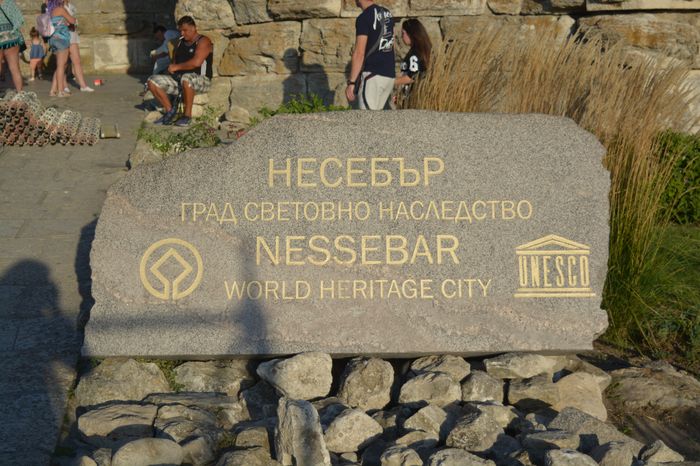
Today, the old town rewards visitors who explore at walking pace. Stone lanes pass churches and archaeological remains; traditional houses stand above old foundations; and glimpses of the sea appear between buildings. The Ancient City of Nessebar joined the UNESCO World Heritage List in 1983 for its layered cultural history and distinctive urban setting. UNESCO’s site profile outlines the town’s Thracian, Greek, medieval, and later architectural layers.
Follow the peninsula from shore to old town
Begin near the causeway and walk toward the historic center. The gradual transition makes the geography easy to notice: modern streets give way to older lanes, and the peninsula narrows as you move toward the waterfront. Pause along the shore to see how the town sits above the water and how its buildings follow the shape of the land.
Inside the old town, look for the contrast between stone foundations and timber upper floors. Many traditional houses reflect Black Sea building styles of the 19th century. Their balconies, enclosed upper levels, and close-set facades create a streetscape that feels distinct from the open seafront.
For another neighborhood shaped by centuries of community life, Istanbul’s Balat offers a contrasting walk through colorful streets and historic buildings.
Read the town through its churches
Nessebar’s churches reveal how religious architecture changed across the centuries. Some survive as ruins, while others retain decorative brickwork, arches, and ceramic details. Their varied forms reflect the town’s importance during the Byzantine era and its continuing role as a spiritual center.
Rather than trying to visit every building quickly, choose a few and look closely at the construction. Notice how brick patterns and stone details shift from one church to another. Museum access and opening times may vary, so check current visitor information before planning an indoor visit.
If you would like a guided walk or help organizing a Black Sea itinerary, contact our team. A local guide can connect the buildings with the communities and events that shaped the peninsula.
Give the visit room to unfold
Ancient Nessebar is compact, but the best visit is not necessarily the shortest. Allow time for quiet lanes, a pause beside the water, and a meal at a local restaurant. In warmer months the town can be busy, so an early walk may offer a calmer start. Comfortable shoes help on uneven paving.
Travelers exploring more of Bulgaria can add a Rose Valley Tour for a different landscape and a look at regional traditions. The Thracian Tomb of Kazanlak adds another chapter through ancient burial art and archaeology.
Experience Ancient Nessebar beyond the postcard
Ancient Nessebar is more than a seaside view. Its streets preserve traces of different civilizations, while the peninsula’s shape connects architecture with the surrounding landscape. Take time to follow that story from the causeway to the old waterfront, and the town becomes a memorable introduction to Bulgaria’s Black Sea heritage.