

UNESCO Bulgaria Through Three Kinds of Heritage
UNESCO Bulgaria is not one single destination. It is a collection of places that preserve different parts of the country’s story, from medieval painting and ancient burial art to mountain landscapes and historic towns. Planning a trip around these varied sites gives you a richer view of Bulgaria than visiting one landmark in isolation.
A useful way to start is to choose the kind of heritage that interests you most. Sofia offers an easy base for cultural walks and day trips, while other regions reveal Bulgaria’s religious, archaeological, and natural history.
Begin with churches and monasteries
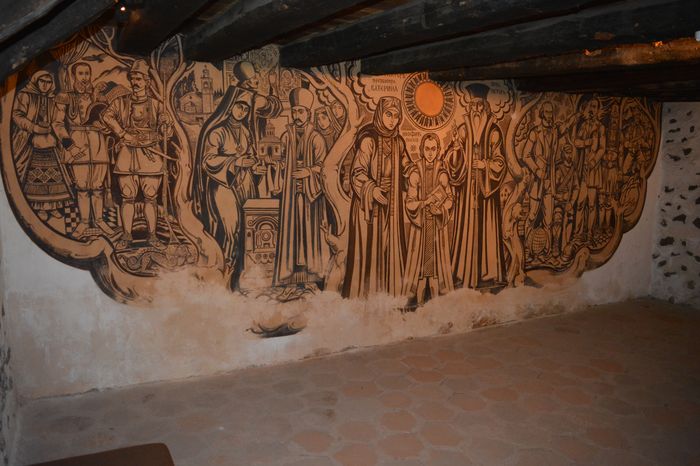
Boyana Church, near Sofia, is known for its medieval frescoes and intimate scale. Inside, painted figures and scenes provide a close look at religious art from the region. Visitor access is carefully managed to protect the interior, so check current entry arrangements before planning your visit.
Rila Monastery offers a very different experience. Its courtyards, arcades, church, and mountain setting make it one of Bulgaria’s most recognizable cultural landmarks. A guide can explain how religious communities helped preserve local traditions through periods of political change.
These and other listed properties are part of Bulgaria’s World Heritage record, which includes cultural and natural sites across the country. UNESCO’s Bulgaria profile provides the official list.
Follow the trail of ancient cultures
For travelers drawn to archaeology, Bulgaria’s Thracian sites offer a window into a culture known through tombs, objects, and sacred places. The Thracian Tomb of Kazanlak is celebrated for its painted chamber, while the Thracian Tomb of Sveshtari is notable for its distinctive architectural decoration. Conservation rules can limit access to original interiors, so check what visitors can see on your travel dates.
The old town of Nessebar adds another layer. Set on a Black Sea peninsula, it brings together historic churches, traditional houses, and traces of settlement from different periods. A walking visit lets you notice how the town’s architecture reflects its long connection with the coast.
For help choosing sites or arranging a private cultural itinerary, contact our team. A guide can help balance travel time with visits and adapt the pace to your interests.
Make room for landscapes
Bulgaria’s World Heritage story also includes natural places. Pirin National Park is known for its mountain scenery, while Srebarna Nature Reserve protects an important wetland environment. These destinations are a reminder that a heritage itinerary can include outdoor experiences as well as historic buildings.
If you want to add a mountain day near Sofia, consider a Seven Rila Lakes Tour. The alpine setting offers a change of pace from churches, museums, and archaeological sites.
Continue the journey through the region
Travelers heading to Turkey can explore Istanbul’s Dolmabahce Palace, where imperial architecture meets the Bosphorus. It offers a distinct contrast with Bulgaria’s monasteries, tombs, and mountain landscapes.
For more ideas across the region, explore UNESCO Balkan Sites and build an itinerary around the places and periods that interest you.
Plan a personal heritage trip
UNESCO Bulgaria rewards travelers who leave time to look closely. Choose a mix of cultural and natural sites, check current access details, and allow enough time for the journeys between them. With local context and a thoughtful route, each stop becomes part of a larger story about Bulgaria’s history and landscapes.