
Thracian Civilization and the Traces Across Bulgaria
The Thracian Civilization is best understood through fragments. Tomb paintings, carved figures, settlement remains, and objects found in burial sites offer glimpses of communities that flourished across parts of the Balkans long before the Roman Empire. In Bulgaria, these discoveries connect ancient art with the landscapes where Thracian groups lived and built.
The Thracians were not one unified kingdom throughout history. The name refers to different peoples and communities whose traditions varied across time and place. Archaeology helps reveal those differences, while also showing connections with neighboring cultures.
Read the stories preserved in tombs
Burial monuments are among the clearest windows into Thracian society. The Thracian Tomb of Kazanlak, near Seuthopolis, dates to the Hellenistic period and contains murals depicting burial rituals. Its painted chamber offers evidence of artistic skill, social customs, and beliefs about death. UNESCO notes that the tomb’s frescoes are among Bulgaria’s best-preserved Hellenistic artworks.
At Sveshtari, a different artistic language appears. Sculpted female figures combine human and plant forms around the burial chamber, creating a distinctive architectural setting. The site is associated with the Getae, a Thracian people whose history reflects contact with the Hellenistic world. Comparing these two tombs shows how local traditions could share influences yet develop unique forms.
Follow the landscape as part of the history
Thracian heritage is not limited to the interiors of tombs. Hilltop settlements, sanctuaries, and archaeological reserves reveal how communities used natural features and organized important spaces. The landscape can help explain why certain sites were chosen and how ancient routes may have connected them.
A guided visit can add context to these places and help distinguish archaeological evidence from legend. If you want to plan a private route or combine several sites, contact our team. Travel times can be significant, so a focused itinerary is often more rewarding than trying to cover too much in one day.
Visitors interested in the tombs can arrange a Thracian Tomb of Kazanlak visit and explore the wider region at a comfortable pace. Access to original interiors may be limited for conservation, so check current arrangements in advance.
Connect ancient and later Bulgarian heritage
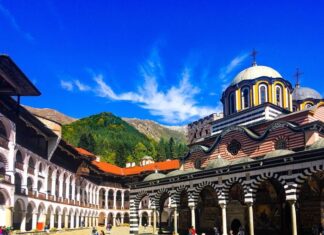
Bulgaria’s history continues through Roman, Byzantine, medieval, and Ottoman periods. At Rila Monastery, religious art and mountain architecture offer a very different experience from Thracian burial sites. The Rila Monastery visit can add a later chapter to a cultural itinerary.
Travelers extending their journey into Turkey can explore the work of Mimar Sinan, whose Ottoman buildings shaped Istanbul’s skyline centuries later.
Experience the Thracian Civilization with context
The Thracian Civilization comes into focus through careful observation. Pirin National Park. A painted scene, a carved figure, or the position of a burial mound can reveal a different part of the past. With thoughtful planning and local insight, visitors can connect these discoveries and gain a richer understanding of Bulgaria’s ancient heritage.