
Begin with a market day
Imagine entering a Bulgarian town during the Ottoman period. The market is busy with residents, traders, and travelers. Nearby streets lead toward homes, workshops, religious buildings, and places to rest. This everyday setting offers a useful way to understand Ottoman Bulgaria: not only as a political era, but as a long period that reshaped urban life across the region.
Bulgarian lands came under Ottoman rule over the late fourteenth century. The experience varied by town and changed over time. Communities lived within an imperial system that brought new forms of administration, taxation, trade, and settlement. Local customs and religious life also continued, adapting in different ways to changing circumstances.
Read the town through its public spaces
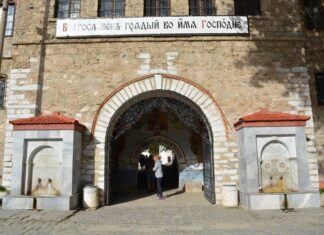
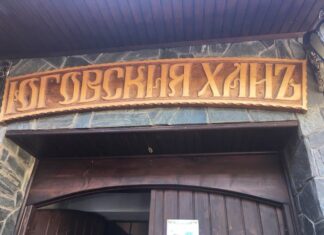
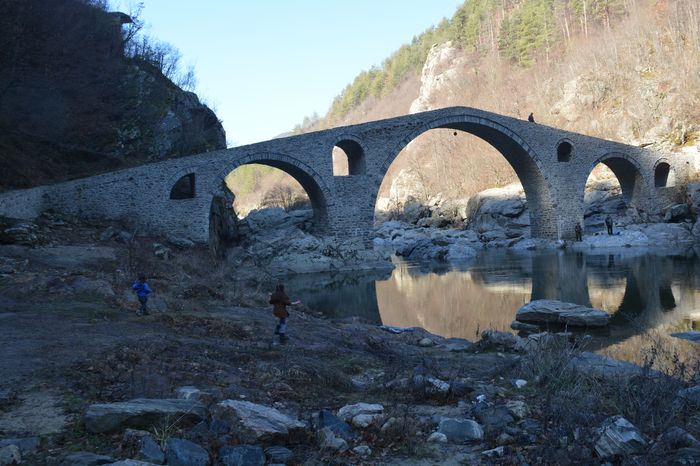
Markets, baths, bridges, fountains, and caravanserais helped connect towns to wider networks of travel and commerce. Mosques and other religious buildings became part of urban landscapes that also included churches and synagogues. The mix differed from place to place, but these spaces can help visitors understand how people worked, worshipped, and moved through their communities.
Architecture offers clues, but it needs context. A building may have changed its use, been modified, or disappeared as cities expanded. A Professional Tour Guide can help explain what a surviving structure can tell us and where historians rely on written records or archaeological evidence.
Notice continuity and change in Sofia
Sofia provides a clear example of how different periods sit close together. The ancient city of Serdica, medieval remains, and Ottoman-era buildings all form part of the capital’s urban story. A visit focused on Ancient Serdica Roman can help set the earlier history in view before considering how later generations reshaped the same city.
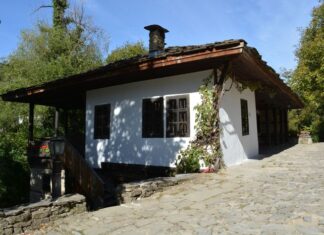
Ottoman-era neighborhoods could include homes, shops, markets, schools, baths, and religious sites. Their layout and character were not identical across the empire. In some towns, trade routes brought wealth and new building projects. In others, local economies and population patterns followed a different course. Comparing places helps avoid treating Ottoman Bulgaria as one uniform experience.
Keep different experiences in the picture
The period is remembered through many kinds of evidence. Tax records and travel accounts describe administration and urban life, while houses and religious buildings show how communities used and changed shared spaces. These sources do not tell one simple story. They reveal different experiences shaped by religion, location, status, and time.
That balanced view also makes room for the Bulgarian National Revival of the eighteenth and nineteenth centuries. Cultural activity, education, and changing ideas about identity developed within the wider Ottoman setting. Later, political independence brought another major transition and further changes to town centers.
Trace the story into modern Bulgaria
Ottoman Bulgaria remains part of the country’s layered history, alongside earlier and later eras. For a different point of comparison, explore Communist Bulgaria and consider how twentieth-century planning also transformed cities and public spaces.
To plan a cultural visit around the places and themes that interest you, Contact Us. Looking carefully at the buildings and local stories can make this complex history more tangible.