
Bulgaria and the Many Stories Behind Its Remarkable Heritage
Bulgaria is a country where every region tells a different historical story. From ancient Thracian treasures and Roman cities to medieval fortresses and traditional mountain villages, its landscape reflects thousands of years of cultural development. Situated in southeastern Europe, Bulgaria has played an important role in the history of the Balkans and the wider European continent.
For travellers interested in history, architecture and local traditions, Bulgaria offers an experience that goes far beyond its famous landmarks. Its identity has been shaped by ancient civilizations, powerful empires, religious traditions and generations of people who preserved their cultural heritage.
Bulgaria Through the Centuries
The history of Bulgaria began long before the establishment of the modern Bulgarian state. Ancient Thracian communities inhabited these lands and developed remarkable artistic, religious and metalworking traditions.
Their golden treasures, monumental tombs and archaeological discoveries provide evidence of a sophisticated ancient culture. Later, Greek and Roman civilizations introduced new urban centres, roads and administrative systems.
In 681, the First Bulgarian Empire emerged as an important political power in southeastern Europe. Under rulers such as Khan Krum and Simeon the Great, Bulgaria expanded its influence and developed a distinctive political and cultural identity.
The medieval period brought remarkable achievements in literature, religious education and architecture. The Bulgarian Empire remains one of the most fascinating chapters of the country’s history, revealing how medieval Bulgaria became a major power in the Balkans.
Architectural Treasures and UNESCO Heritage
One of the most rewarding ways to explore Bulgaria is through its historical architecture. The country preserves ancient ruins, medieval monasteries, traditional houses and religious monuments that reflect different periods of its development.
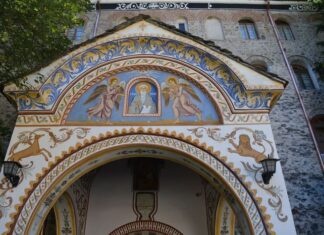
The Rila Monastery is among Bulgaria’s most celebrated landmarks. Surrounded by the mountains of southwestern Bulgaria, this remarkable religious complex is famous for its colourful frescoes, decorative architecture and long spiritual history. It is also recognized as a UNESCO World Heritage Site.
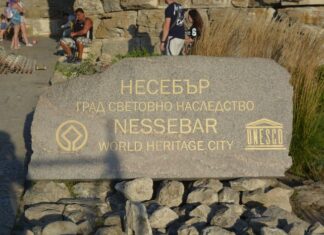
Other important heritage destinations include the Boyana Church near Sofia, the ancient city of Nessebar and the Thracian Tomb of Kazanlak.
These monuments demonstrate how Bulgaria contributed to the cultural development of Europe. Visitors interested in international heritage preservation can also explore the story of UNESCO World Heritage in Istanbul and discover the historical connections between the Balkans and Anatolia.
Bulgarian Traditions and Everyday Culture
Beyond its monuments, Bulgaria is equally fascinating because of its living traditions. Local festivals, traditional music, folk dances and regional crafts continue to play an important role in community life.
The traditional Kukeri celebrations are particularly impressive. Participants wear elaborate costumes and large bells to perform rituals associated with driving away evil spirits and welcoming prosperity.
Bulgarian cuisine also reflects the country’s geographical and historical connections. Banitsa, shopska salad, yoghurt and traditional grilled dishes are among the best-known examples of local food culture.
In smaller towns and villages, visitors can still discover traditional houses, family-run workshops and customs passed down through generations.
Bulgaria and Its Neighbours in the Balkans
Bulgaria’s location has always encouraged cultural exchange with neighbouring countries. Throughout history, trade routes, political alliances and religious connections linked Bulgaria with Greece, Serbia, Romania and Turkey.
The relationship with Romania is particularly interesting because the two countries share a long geographical border and important historical connections along the Danube River.
From medieval trade and Ottoman history to modern European cooperation, the connections between Romania and Bulgaria offer another perspective on the development of southeastern Europe.
These shared histories make the Balkans one of Europe’s most culturally diverse regions.
Discover Bulgaria Beyond the Usual Tourist Routes
Whether you are exploring Sofia, visiting medieval towns, discovering ancient archaeological sites or enjoying the peaceful atmosphere of the Bulgarian countryside, the country offers countless opportunities for meaningful discovery.
Each destination reveals a different part of Bulgaria’s identity. Some places tell stories of powerful kings, others preserve religious traditions, while many reveal the everyday lives of generations of Bulgarian people.
If you would like to discover more about Bulgaria’s history, cultural landmarks and remarkable traditions, please Contact Us and begin exploring the stories that make this country such a fascinating destination.