

Balkan History and the Civilizations That Shaped Southeastern Europe
The Balkans have always been a crossroads of civilizations. For thousands of years, this region has connected Europe with Asia, bringing together different peoples, languages, religions and political powers. Ancient trade routes, medieval kingdoms and powerful empires have all left their marks on the landscape.
Understanding Balkan History means discovering more than the rise and fall of individual states. It means exploring how different civilizations interacted, competed and influenced one another to create the cultural diversity that defines southeastern Europe today.
Bulgaria occupies a particularly important position in this historical story. Its geographical location made it a centre of political competition, cultural exchange and religious development throughout the centuries.
Ancient Civilizations and the Origins of Balkan History
Long before the emergence of medieval kingdoms, the Balkans were home to several ancient civilizations. The Thracians, Greeks, Illyrians and later Romans contributed significantly to the region’s early development.
The Thracians inhabited large parts of modern Bulgaria and neighbouring territories. They were known for their impressive gold craftsmanship, military traditions and religious practices. Their archaeological treasures and burial monuments remain among the most fascinating discoveries in southeastern Europe.
Greek colonies along the Aegean and Black Sea coasts introduced new forms of trade, architecture and philosophy. Later, Roman expansion transformed the region through roads, cities, military settlements and administrative centres.
The Roman legacy remains visible in archaeological sites throughout Bulgaria, Serbia, Greece and North Macedonia.
These discoveries help historians reconstruct the everyday lives of ancient societies. Exploring the region with an Archaeology Expert can provide a deeper understanding of how archaeological evidence reveals connections between different civilizations.
The Byzantine Empire and the Transformation of the Balkans
Following the division of the Roman Empire, the Eastern Roman Empire, later known as the Byzantine Empire, became one of the dominant powers in the Balkans.
Constantinople served as its political and religious centre, influencing neighbouring territories through diplomacy, trade, military campaigns and Christianity.
The introduction of Christianity among the Slavic peoples transformed the religious and cultural landscape. Byzantine traditions influenced church architecture, religious art and education across southeastern Europe.
Bulgaria played a particularly important role in this process. Its adoption of Christianity under Boris I in the ninth century strengthened its connections with the wider Christian world while encouraging the development of its own literary and religious traditions.
Medieval Bulgarian Kingdoms and Regional Power
Medieval Bulgaria was one of the most influential states in Balkan History. Established in 681, the First Bulgarian Empire developed into a major political and military power.
Under Simeon the Great, Bulgaria experienced an extraordinary period of cultural development. Literature, religious education and artistic production flourished, while the capital Preslav became an important centre of medieval civilization.
The Second Bulgarian Empire emerged in 1185 following an uprising led by the brothers Asen and Peter. Tarnovo became its capital and developed into a significant religious and cultural centre.
The medieval history of the region becomes even more fascinating when exploring the Medieval Bulgaria heritage preserved in historical monuments, churches and archaeological remains.
Ottoman Rule and the Changing Political Landscape
The expansion of the Ottoman Empire during the 14th century brought a major transformation to the Balkans. Gradually, large parts of southeastern Europe came under Ottoman administration.
For several centuries, the region developed within a shared imperial structure. Different religious communities maintained many of their traditions while participating in the economic and cultural life of the empire.
Cities such as Sofia, Plovdiv, Sarajevo and Skopje became important administrative and commercial centres.
Ottoman influence can still be recognized in traditional architecture, urban planning, cuisine and cultural customs throughout the Balkans. These historical connections also demonstrate the close relationship between southeastern Europe and Turkey.
The Bulgarian Revival and the Road to Modern Nationhood
During the 18th and 19th centuries, a growing movement of education, literature and cultural renewal emerged among Bulgarian communities.
Known as the Bulgarian Revival, this movement encouraged people to preserve their language, rediscover their medieval history and develop a stronger national identity.
Schools, publishing houses and cultural institutions became important instruments of change. The April Uprising of 1876 and the events that followed eventually contributed to the restoration of Bulgarian statehood in 1878.
The Bulgarian Revival remains an essential chapter in understanding how cultural awareness helped shape modern Bulgaria.
Discover the Living Heritage of Balkan History
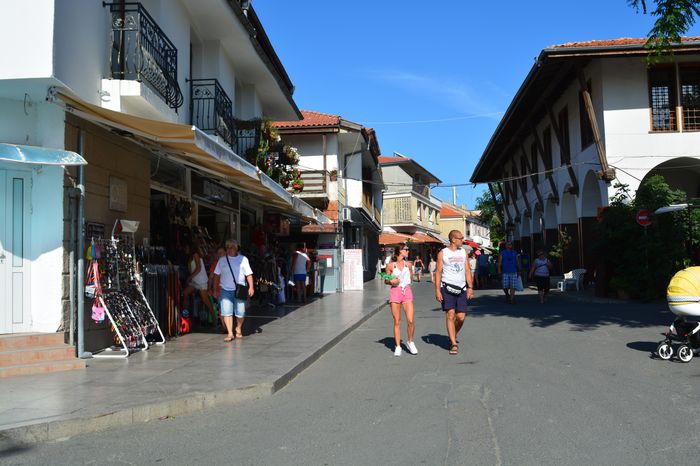
Balkan History is not confined to museums and historical textbooks. It can be experienced through ancient fortresses, medieval churches, Ottoman streets, traditional villages and the everyday customs of local communities.
Every historical period has contributed something different to the region’s identity. Understanding these connections makes travelling through Bulgaria and the wider Balkans far more meaningful.
If you would like to learn more about Bulgaria’s place in southeastern European history and discover its remarkable historical heritage, please Contact Us to explore further historical discoveries and cultural experiences.