
Medieval Bulgaria Through Its Capitals and Communities
Medieval Bulgaria is a story of changing borders, powerful rulers, religious traditions, and cultural exchange. Across the centuries, Bulgarian states rose between the Byzantine Empire and other neighboring powers, creating centers of government and learning that shaped southeastern Europe. Their history survives in hilltop fortresses, churches, monasteries, and archaeological remains.
Rather than seeing these places as isolated monuments, look at how they connect. A fortress speaks to political power, a church reveals artistic and religious traditions, and a former capital helps explain how communities organized their lives.
Follow the rise of Bulgarian capitals
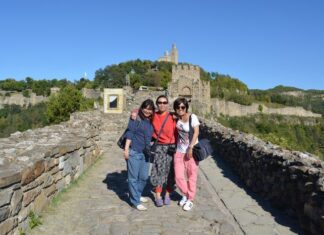
The First Bulgarian Empire established important centers at Pliska and Preslav. Later, Tarnovo became the capital of the Second Bulgarian Empire. Each city reflects a different stage of political and cultural development, with fortifications and religious buildings showing how rulers expressed authority.
The geography mattered. Capitals were positioned to support defense, trade, and regional connections. Today, remains of walls, gates, and churches help visitors imagine how these places functioned as both political centers and lived-in communities.
To understand what came before the medieval period, explore Thracian Heritage. Ancient Thracian sites provide an earlier chapter in the long history of the lands that later became Bulgaria.
Notice the role of faith and learning
The adoption of Christianity in the ninth century transformed Bulgarian public life. Churches and monasteries became centers of worship, education, and artistic production. The development of Slavic literacy and religious texts also helped strengthen a distinct cultural identity.
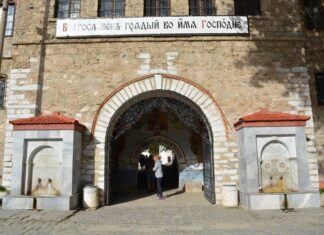
Medieval churches preserve valuable evidence in their architecture and frescoes. Boyana Church near Sofia is known for its expressive paintings, while the rock-hewn churches near Ivanovo reveal how religious communities adapted to the surrounding landscape. Rila Monastery is closely associated with the preservation of Bulgarian culture and faith.
These sites reward slow observation. Look for differences in building materials, painted details, and the placement of each complex within its surroundings. For a broader timeline, Roman Bulgaria offers a look at the earlier imperial structures and cities that preceded the medieval era.
Read the landscape as part of the history
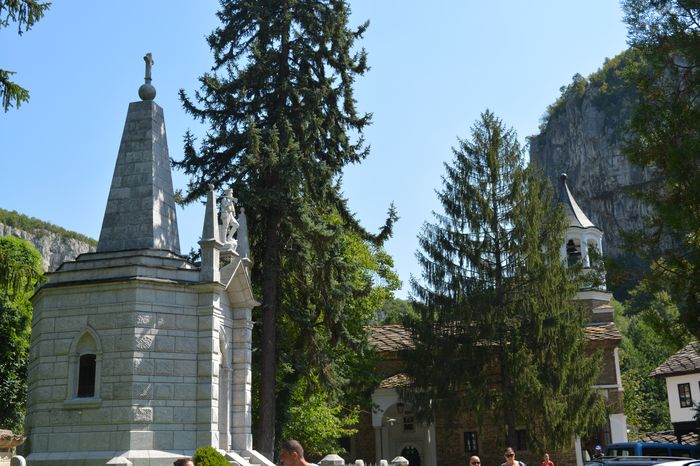
Fortresses and monasteries were shaped by their settings. A hilltop position could help protect a capital, while a remote valley offered a setting for religious retreat. The landscape was not simply a backdrop; it influenced how people traveled, defended communities, and built sacred places.
A cultural route can combine a historic town with a monastery or archaeological site. Allow time for travel between destinations and check access arrangements before setting out. If you want help shaping a private itinerary, contact our team.
Explore with local context
A Licensed Tour Guide can help connect monuments with the people, events, and artistic traditions behind them. Historical context also makes it easier to understand how Bulgarian rulers interacted with Byzantium and neighboring states.
Experience Medieval Bulgaria
Medieval Bulgaria becomes more vivid when its capitals, churches, and landscapes are explored together. Each site reveals a different part of the story, from royal power and religious life to learning and local identity. A thoughtful itinerary can turn these separate traces into a meaningful journey through the country’s past.