
UNESCO Balkan Sites and the Stories They Preserve
A journey through UNESCO Balkan Sites can feel less like following a checklist and more like reading a regional history in places. Medieval churches, ancient settlements, mountain landscapes, and coastal towns each show how communities lived, traded, worshipped, and adapted. The sites cross present-day borders, so planning around a theme can make a multi-country trip more coherent.
Bulgaria offers a useful starting point. Its UNESCO World Heritage properties include both cultural landmarks and natural areas, from historic religious buildings to protected landscapes. UNESCO’s official Bulgaria profile provides the current list.
Start with art and architecture
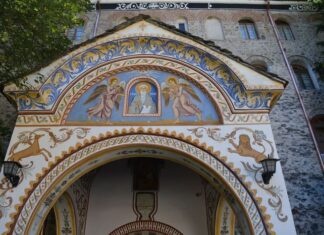
Churches across the Balkans preserve different approaches to religious art. Boyana Church, on the outskirts of Sofia, is known for its frescoes, including a celebrated layer painted in 1259. The church developed in several stages, so its architecture also records changes across centuries. UNESCO describes the church’s three building periods and its medieval paintings.
The Boyana Church experience can fit naturally into a cultural visit to Sofia. Check access arrangements before going, as visitor numbers and time inside may be managed to protect the interior.
For a contrast beyond Bulgaria, Istanbul’s Chora Church offers another encounter with Byzantine art and architecture. Comparing sites across the region can help visitors notice both shared traditions and local differences.
Pair historic places with landscapes
UNESCO heritage is not limited to buildings. Bulgaria’s listed properties also include natural areas, while the wider Balkans offer mountains, lakes, and coastlines that have shaped local life. Combining a heritage visit with time outdoors gives a trip a different rhythm and helps place historic settlements within their geography.
Near Sofia, a Vitosha Mountain Tour offers a change of pace from museums and churches. The mountain setting also gives visitors a new perspective on the capital and the surrounding region.
Plan around distance and access
Balkan destinations are spread across several countries, and travel times can be longer than a map suggests. Choose a manageable route, allow time for border crossings where relevant, and confirm opening hours for individual sites. Some historic interiors have limited access or conservation rules, so check visitor guidance before setting out.
For help planning a private cultural itinerary or choosing stops that suit your schedule, contact our team. A local guide can add context and help connect each place to the broader regional story.
Travel with a theme in mind
A focused itinerary might follow medieval religious art, Roman and Byzantine cities, or heritage landscapes. Rather than trying to see every famous landmark, choose a few sites that tell complementary stories. This approach leaves room to explore local neighborhoods, enjoy meals, and notice the details that make each destination distinctive.
UNESCO Balkan Sites offer a rewarding way to experience the region’s history through its places. With a thoughtful route and enough time at each stop, visitors can discover how Balkan cultures developed in conversation with one another while retaining their own character.